
 Canada
  Alberta
  British Columbia
  Manitoba
 New Brunswick
  Newfoundland Labrador
  Nova Scotia
  Ontario
  Prince Edward Island
  Quebec
  Saskatchewan
  United States
  Belgium
 France
  Italy
Italy  Switzerland
Elsewhere
 Elsewhere
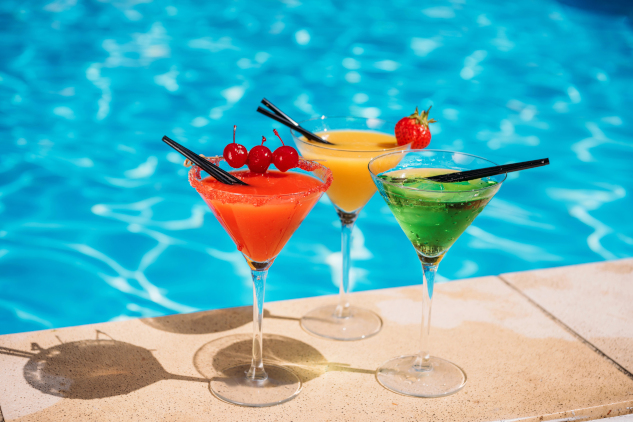
Alcohol-free beverages are becoming increasingly popular. Mocktails, dealcoholized wines, alcohol-free beers, and 0% spirits are now widely available in grocery stores, restaurants, and social gatherings. For many people, these products offer a way to reduce alcohol consumption without giving up the social and festive aspects traditionally associated with drinking. But are these beverages really a healthier choice?

From a public health perspective, replacing alcoholic beverages with alcohol-free alternatives can offer several benefits. Even moderate alcohol consumption has been associated with a number of health risks, including:
Thus, for many people, non-alcoholic beverages can be a useful strategy for reducing these risks. However, experts also highlight certain limitations, notably the sometimes high sugar content of some products, the risk of mistakenly perceiving them as automatically “healthy”, and, in some cases, the persistence of behaviors or habits associated with alcohol.
However, the absence of alcohol does not automatically make a product healthy. Many non-alcoholic beverages — particularly certain commercial mocktails, ready-to-drink cocktails, dealcoholized wines, and flavored drinks — can contain significant amounts of added sugar.
In traditional alcoholic beverages, part of the sugar is converted into alcohol during fermentation. When alcohol is later removed, manufacturers may add sugar or concentrated fruit juice to improve texture, balance, and flavour. As a result, some alcohol-free beverages can contain as much sugar—or even more—than a soft drink. For example, some alcohol-free wines contain approximately 2 to 4 grams of sugar per glass, while others may exceed 15 to 20 grams per serving, an amount comparable to that found in certain soft drinks.



Leave a Reply